
Professional paint correction can provide results that last for years, provided the finish is properly maintained and protected from new damage. Unlike products that temporarily conceal imperfections, it uses machine polishing and abrasives to reduce or remove suitable defects in the vehicle’s clear coat. The results depend on the depth of the defects, the condition of the paint, and the correction method used.
Once existing swirl marks, oxidation, and suitable scratches have been corrected, those specific defects will not simply wash away and return. However, improper washing, road debris, environmental contaminants, and everyday wear can introduce new imperfections over time. Proper maintenance and suitable paint protection help preserve the restored finish.
The Science of Permanent Surface Leveling
Understanding the difference between filling and correcting is essential when evaluating results. Some detailing products temporarily hide imperfections with fillers or oils. Professional paint correction instead uses polishing compounds, pads, and machine polishing to refine the clear coat and improve how it reflects light.
When you choose professional paint correction in Lancaster, PA, the goal is to reduce visible defects while preserving as much of the original clear coat as possible. Because the process removes a small amount of material, not every defect can be safely eliminated. The appropriate approach depends on the paint’s condition and thickness.
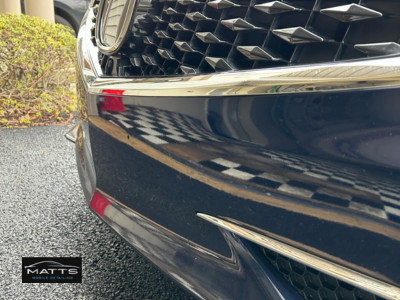
After correction, the surface can reflect light more evenly, producing a smoother appearance and deeper gloss. The clarity can last for years when the vehicle is washed correctly and protected from unnecessary abrasion.
Factors Affecting How Long Paint Correction Results Last
1. Post-Correction Maintenance
Professional paint correction removes or reduces existing defects, but it cannot prevent new damage. In Lancaster, Pennsylvania, vehicles may encounter agricultural dust, industrial fallout, tree sap, road salt, and other contaminants throughout the year.
Regular washing and prompt contaminant removal help maintain the corrected finish. Following appropriate care practices also reduces the likelihood of introducing new scratches and swirl marks.
2. The Risks of Automatic Car Washes
Automatic car washes that use abrasive brushes can introduce fine scratches and swirl marks, especially when dirt becomes trapped in the cleaning materials. Repeated exposure can gradually reduce the clarity achieved through paint correction.
Touchless washes or careful hand washing with clean microfiber materials can help reduce this risk. The best method depends on the vehicle’s condition and the cleaning products used.
3. Choosing Low-Friction Cleaning Methods
Proper washing is essential for preserving a corrected finish. Use automotive-safe shampoo, clean microfiber wash mitts, and separate materials for different areas of the vehicle. Rinse away loose dirt before touching the paint, and dry the surface with clean, suitable towels.
These habits help reduce unnecessary friction and maintain the finish’s gloss. A consistent maintenance routine is more effective than repeatedly polishing the vehicle to address damage caused by improper washing.
The Matt’s Mobile Detailing Proprietary Methodology: Forensic Surface Restoration
At Matt’s Mobile Detailing, Lancaster paint correction focuses on improving the appearance of a vehicle’s existing finish while preserving as much original clear coat as reasonably possible. The process should begin with an assessment of the paint, followed by appropriate cleaning, decontamination, and polishing based on the defects present.
Careful inspection helps determine which imperfections can be safely corrected and which may require a different approach. Polishing can improve the appearance of swirl marks, light scratches, oxidation, and surface haze, but defects that extend too deeply into the paint may not be safely removable through polishing alone.
A measured, conservative approach helps balance visual improvement with the need to preserve the factory finish. The objective is to achieve a cleaner, glossier surface without removing more clear coat than necessary.
The Four Stages of Professional Paint Correction
1. Chemical and Mechanical Decontamination
The vehicle’s exterior is cleaned to remove loose dirt, road film, and bonded contaminants. Depending on the condition of the paint, suitable chemical and mechanical decontamination methods may be used before polishing begins.
A clean surface helps reduce the risk of dragging contaminants across the paint during the correction process.
2. Paint Assessment and Polishing
The paint is inspected under suitable lighting to identify swirl marks, scratches, haze, and other visible defects. The appropriate polishing pad, compound, and machine settings are selected based on the paint’s condition and the desired result.
Starting with a less aggressive combination, when appropriate, helps preserve the clear coat while improving the finish.
3. Paint Thickness Assessment
Paint thickness measurements can help a technician evaluate the coating layers and make more informed decisions about correction. The readings must be interpreted carefully because many gauges measure the combined thickness of multiple paint layers rather than the clear coat alone.
Measurement equipment varies in capability, and not every gauge can distinguish individual layers. The available readings, paint history, and visible condition should all inform the correction strategy.
4. Refinement Polishing
A final polishing stage may be used to refine the surface, reduce haze from earlier correction stages, and improve gloss. The exact process depends on the paint system, the polishing products, and the level of correction required.
Once polishing is complete, the vehicle can receive a suitable protective product to help preserve the finish and make routine maintenance easier.
Protecting Your Restored Finish
While a professional paint correction permanently levels the clear coat to remove existing defects, this “surgical” restoration leaves the substrate potentially vulnerable to fresh environmental wear without a secondary, high-performance “shield” in place. In neighborhoods across East Lampeter, we typically recommend pairing our restorative frameworks with a professional ceramic coating or a high-density sealant to establish a specialized sacrificial layer over the newly perfected surface. This structural integration ensures that during routine maintenance, your wash mitt only interacts with the ultra-hard ceramic barrier rather than the delicate factory paint itself, which significantly minimizes the friction that traditionally introduces new swirl marks. By adopting this dual-phase strategy, you effectively lock in the mirror-like depth of your Lancaster, PA paint correction, creating a long-term defense system that preserves your vehicle’s showroom brilliance against the region’s unique atmospheric stressors for years to come.
Professional Results for Vehicles Worth Caring For
A glossy, well-maintained finish can improve a vehicle’s appearance and help it make a stronger impression when presented for sale. Removing suitable swirl marks, surface haze, and other visible imperfections can restore depth and improve the way the paint reflects light.
However, paint correction does not guarantee a specific resale value or eliminate every defect. Results depend on the vehicle’s original condition, paint quality, and the extent of the correction.
Whether you drive around Downtown Lancaster or maintain a classic or performance vehicle, regular care and appropriate protection can help preserve the finish’s appearance. A professional assessment can help determine which defects are correctable and what level of improvement is realistic.
Experience the Matt’s Mobile Detailing Difference
At Matt’s Mobile Detailing, vehicle care starts with understanding the condition of the finish and selecting an appropriate approach. Paint correction can help restore gloss, reduce visible imperfections, and improve the appearance of a vehicle’s exterior.
Every vehicle has different needs, so the right correction process depends on its paint condition, history, and the owner’s expectations. A professional assessment helps establish realistic goals and identify suitable options for protecting the restored finish.
Ready to improve your vehicle’s appearance? Contact us today to discuss your paint correction needs and request a quote.
Frequently Asked Questions
Is Paint Correction the Same as Buffing?
Buffing is a broad term for polishing or working a vehicle’s finish, often with a machine. Paint correction is a more targeted process that assesses and reduces visible defects through carefully selected polishing methods. The appropriate technique depends on the condition of the paint and the result desired.
Can All Scratches Be Removed?
No. Scratches that remain within the clear coat may sometimes be reduced or removed through polishing, depending on their depth. Scratches that penetrate through the clear coat into the color coat, primer, or metal generally require other repair methods. Attempting to remove every deep scratch by polishing can unnecessarily weaken the remaining clear coat.
How Many Times Can a Car Safely Undergo Paint Correction?
There is no universal number of safe paint corrections for every vehicle. The answer depends on the original paint thickness, previous repairs, prior polishing, the depth of the defects, and the amount of material that must be removed. A technician should assess the paint before recommending additional correction. Conservative polishing and proper maintenance can reduce the need for repeat services.
Does Paint Correction Help With Resale Value?
Paint correction can improve a vehicle’s appearance by reducing visible imperfections and restoring gloss. This may help its presentation to potential buyers, but the effect on resale value varies with the vehicle, its overall condition, and the local market. It does not guarantee a particular increase in value.